Gift ideas
A song in Neapolitan, Sicilian or your family's Italian dialect
For Italian families abroad and anyone with roots in Naples, Sicily, Rome or Venice: why a song in the language of home moves people like nothing else, what to tell us, and an example in Neapolitan dedicated to a cat called Maia.
Some words just don't translate. Take "panzulella": in English it becomes "little tummy", and it isn't the same thing at all. A dialect is the language of home: of grandparents, nicknames, the things you say around the table. That's why a song in your family's dialect goes straight to the heart.
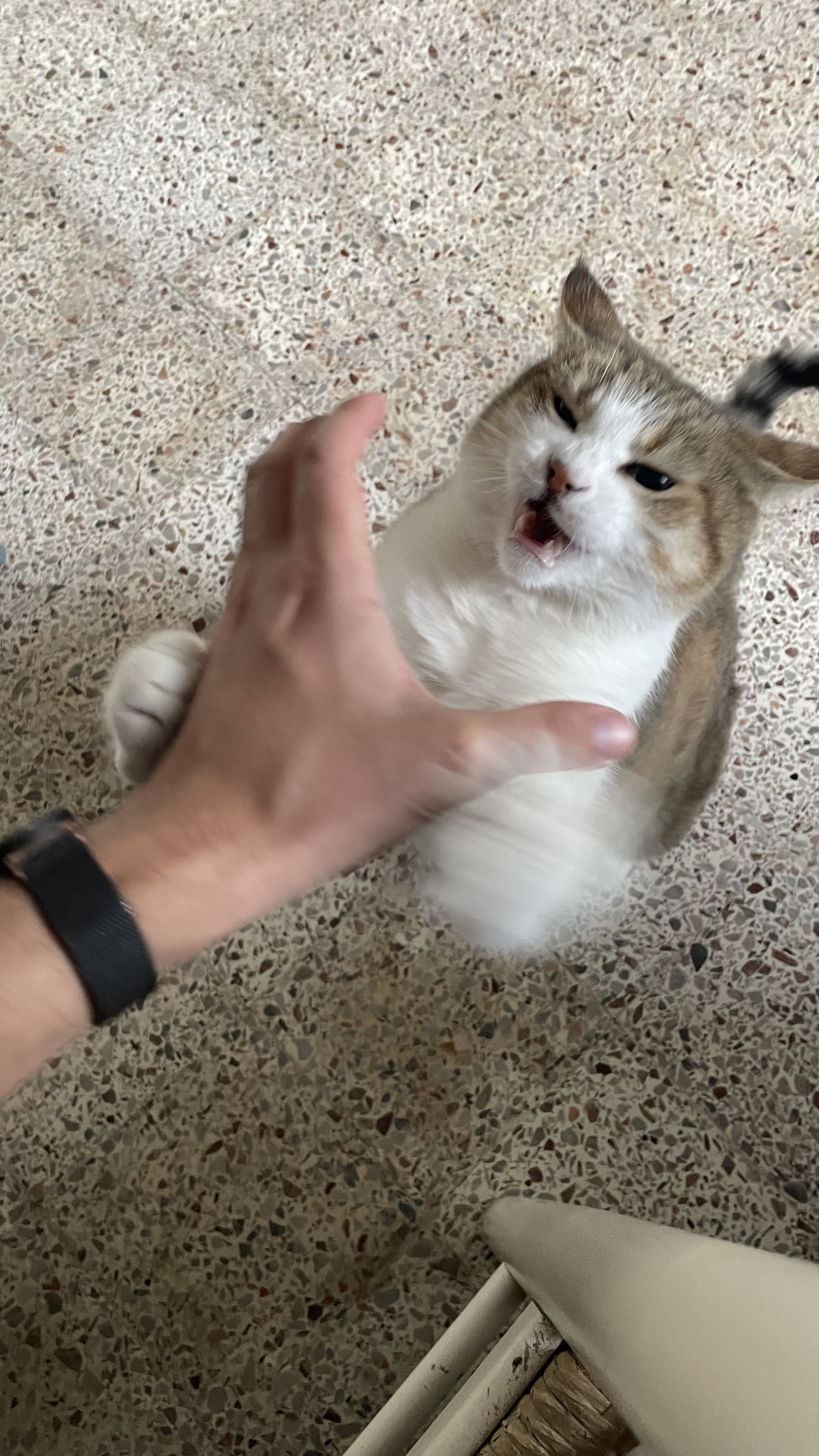
Listen to "Per Maia" ("For Maia"), a song in Neapolitan dedicated to a cat who wakes up at noon and rules the house. Then we'll tell you how to make one in your own dialect.
Why a dialect moves people so much
Standard Italian is the language you learn at school; the dialect is the one you grow up breathing. It's your nonna calling from the window, the way your dad tells you off and then laughs, the word only your family uses for "darling". Hearing it sung feels strange and wonderful, like a song that has always been there.
And if your family left Italy years ago, it's a small journey home. Two lines in Sicilian or Venetian are enough to bring back the smell of a kitchen, the light of a village, the voices of a Sunday lunch.
What "Per Maia" is about
Maia is a cat. The song opens with "Maia se sceta a mieziuorno int'ô liette": she wakes up at noon in bed, one jump and she's already in the kitchen, in front of an empty bowl rattling on the floor. Then the chorus, which any cat owner will recognise: "Maia, Maia, panzulella 'e velluto", little velvet tummy, who can't really meow and makes an out-of-tune sound instead, the "pazzarella d''a casa", the little madcap of the house, stretched out on the sofa like a lady.
The verses bring the 3 a.m. sprints "like a train", a cork that is her greatest enemy, sitting on the papers and the phone so nobody can move her. And at the end, the balcony in the sun, the purring ("faje 'o mutore", literally "you run the engine"), slow strokes behind the ear, and a house where nothing else can be heard.
Small, true things. That's what a dialect does best: it makes everyday life tender.
Which dialects you can choose
The lyrics can be in:
- Neapolitan, like "Per Maia";
- Sicilian;
- Roman (romanesco);
- Venetian;
- Tuscan;
- Milanese.
You choose the dialect at the start, together with the language of the lyrics. You can tell us the story in English: the lyrics are written in the dialect, and you read and change them word by word before the music. If someone in the family speaks it, let them check a line or two.
Who to make it for
- Your grandparents: hearing a song in the language they grew up with is a gift they won't expect. More ideas on the song for your grandparents page.
- Mum or dad, with the sayings they've repeated your whole life: see the song for your mum.
- The cousin or friend back in Italy you only speak dialect with: there's the song for a best friend.
- The cat or the dog, like Maia: their quirks told in dialect make the whole family laugh. More ideas on the song for your cat and song for your dog pages.
What to put in your song
The more details you give, the more the song will be yours. Before you start, try answering these questions:
- Is there a word or saying only your family uses?
- What's the nickname you give them, or they give you?
- Which everyday scene describes them best, like Maia in front of her empty bowl?
- Is there a place in the town or village that belongs to you?
- What would you like to tell them that sounds too serious in English?
That's where the lyrics come from. You listen for free before deciding, choose between two musical versions, and give it with a link to a gift page where the lyrics scroll in time with the music, or with a printable card with a QR code.
Domande frequenti
Which Italian dialects can the song be in?
Neapolitan, Sicilian, Roman (romanesco), Venetian, Tuscan and Milanese, as well as standard Italian, English and other languages. You choose the dialect at the start, when you pick the language of the lyrics.
I don't speak the dialect well. Can I still do it?
Yes. You can tell us the story in English or Italian and choose the dialect for the lyrics. You read the lyrics before the music: if a relative speaks the dialect, ask them to check a word or two, and change anything that doesn't sound like home.
Do the lyrics scroll in time in dialect too?
Usually yes, as in the example above. With some dialects the scrolling may be estimated rather than exact: if so we tell you, and the timing can be fixed.
Can I make one for a pet?
Of course. A song in dialect about the family cat or dog makes everyone smile, from the grandparents to the kids.